
The Daily Standard
Story Archive

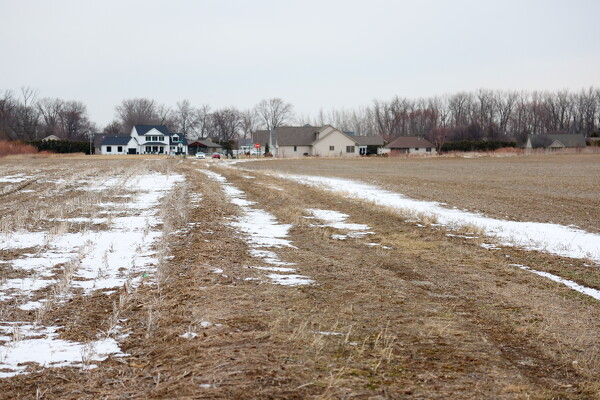
The Harmon Preservation treatment wetland project will be located on 51.5 acres of land near Koehn Road in St. Marys Township and is estimated to cost $1.1 million to develop.
CELINA - Lake officials hope to land about $144,000 in state funding to get the ball rolling on a water treatment initiative in Auglaize County estimated at $1.1 million.
The Grand Lake St. Marys Lake Facilities Authority approved Tuesday morning a resolution authorizing Mercer County agriculture and natural resources director Theresa Dirksen to apply to the Ohio Environmental Protection Agency for Section 319 funding for the design of the Harmon Preservation treatment wetland project.
Dirksen said she plans to request $143,494.
"The goal of this project is to get the engineering plans, the permitting, all the design and the bidding documents completed for the Harmon Preservation project," she told commissioners from Auglaize and Mercer counties. "So this will cover just the design portion of the project."
Access Engineering Solutions would undertake the design work while Dirksen would assist with project permitting.
For the actual construction of wetlands on the 51.5 acres of land in St. Marys Township, Dirksen is exploring numerous potential sources of financing, including Ohio Department of Natural Resources' H2Ohio program.
"They're looking to have a slate of projects put together by the end of March. We may be on that, I've been told," she said. "So hopefully by the end of March, we have a good idea where we stand with that. If we're not on the list, we will apply for Clean Ohio funding, which applications are due August 1 for construction."
Originally, Dirksen had sought to have the entire project, including design, bankrolled through the H2Ohio program, a statewide water quality initiative designed to address complex issues impacting the state's waters.
"But if we can bring in other funding sources, that's only going to help strengthen our project because it reduces our overall construction cost by that $143,000, gets us closer to like $1.1 million for construction," she said.
LFA won't learn whether its OEPA grant application is awarded until at least this summer, Dirksen said.
"Last year it was November until they made awards," she said. "If they truly do award at summer, that gives us a good half of the year to really get the design done in preparation for construction funding. If we go for Clean Ohio (funding) it will be March of '27 when that gets awarded."
Furthermore, the $143,494 Ohio EPA grant, if awarded, may qualify as a local match toward an Ohio Public Works Commission Clean Ohio grant.
"But I think H2Ohio … would maybe work with us even if we do go for Clean Ohio (funding). Maybe they would provide that 25% (local) match so it's less burden on the H2Ohio program, and maybe it's something where we do a combination of both," she said.
Brice Schmitmeyer, president of Access Engineering Solutions, believes the LFA has a good shot at winning an OPWC Clean Ohio grant.
"I know they have a balance right now," he said. "We don't know how many applications they'll get this coming year, but if the past five years is any reflection on what this year will be, they'll probably have less money asked for than they have."
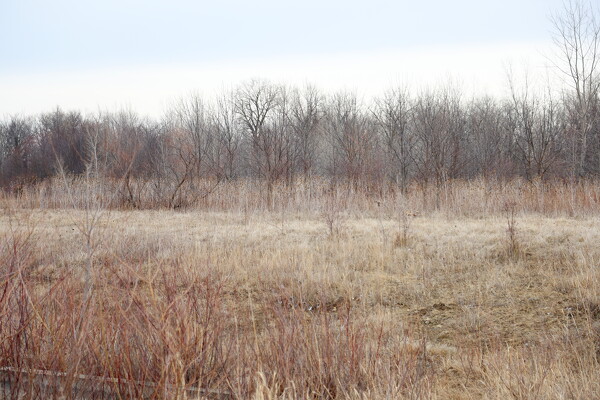
Mercer County agriculture and natural resources director Theresa Dirksen plans to request $143,494 in funds for the design of the Harmon Preservation treatment wetland project.
LFA in late June closed on the purchase of the Harmon Preservation Project land for $1.49 million. The property encompasses 51.5 acres of land along Koehn Road within St. Marys Township, and was purchased from Pear Investments LLC of Naples, Florida.
The commissioners entered into a grant agreement with the Ohio Public Works Commission in March 2025 for up to $1.13 million in Clean Ohio funds to help fund the purchase.
The grant dollars covered about 74% of the purchase, with the remaining $345,000 donated.
LFA hopes to install a constructed wetland on the property's farm field area.
"It's close to Barnes Creek, so our goal there is to have a last treatment wetland on Barnes Creek because it currently does not have any sort of wetlands that are tributary to Grand Lake," Dirksen previously told The Daily Standard.
Mercer County Commissioner Rick Muhlenkamp asked if the wetlands will have any unique features.
"I wouldn't say there's anything real unique. I had one idea of trying to do like an oak tree planting on the one side of the property just to provide something a a little bit different as far as habitat goes," she said.
The goal is to develop 15-20 acres of actual wetlands capable of treating up to 2 million gallons per day, according to Dirksen.
As to the wooded section of the property, Dirksen said there's no plans to remove any trees that have value.
"Now there is some scrub area kind of in the middle of the property that we'll likely clear off because it's on soil that was placed there from the former development activities that occurred there. So try to kind of make that a little bit nicer," she said.
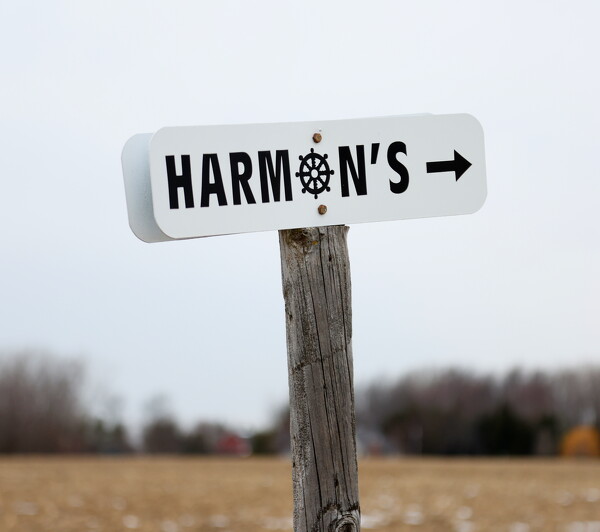
The proposed wetland property is located near Harmon's Landing in St. Marys Township.
Also at Tuesday's meeting, LFA signed off on a resolution setting the deadline for submitting bids for the Beaver Creek pump station project to the Mercer County Commissioners office as 10 a.m. March 19.
The project entails the construction of a second pump station along with associated work, and is estimated at $200,000. It will be covered with remaining funds from an Ohio EPA 319 grant.
"We believe the area can handle more flow than it is treating now and just kind of enhance the treatment that we're providing there," Schmitmeyer said.
The project will increase the amount of water going through wetlands by 500,000 to 600,000 gallons per day, bringing its daily total to around 1 million gallons per day.
Local wetlands in 2025 processed more than 760 million gallons of water and removed a substantial amount of the nutrients that potentially would fuel unsightly and toxic algal blooms in Grand Lake.
Wetlands in Beaver Creek, the watershed's largest tributary, treated 3-4% of the annual flow, according to Stephen Jacquemin, an environmental sciences professor at Wright State University-Lake Campus.
They also captured close to 9,000 pounds of pure nitrogen, a couple hundred pounds of phosphorus and as much as 20,000 pounds of dirt.
Over at Prairie Creek, crews are digging out the main settling pools and resetting the system for the spring.
"We did finish the earthwork on the settling basin," Dirksen said. "So it's all one big, 10-foot-deep basin now, and then they just finished moving the intake structure back on Monday of this week and pulled the sheet piling out. I think it looks pretty good. They added the seawall, the rock around the seawall."